 Gorakshanath Shinde
As corona-virus spreads, infectious disease specialists counsel simple protection measures
Hello Healthy,
The new corona-virus is evaluated to be around ten times more deadly than the occasional influenza that frequently occupies medical clinic crisis rooms this season, and the normal contaminated individual spreads the sickness to a few others.
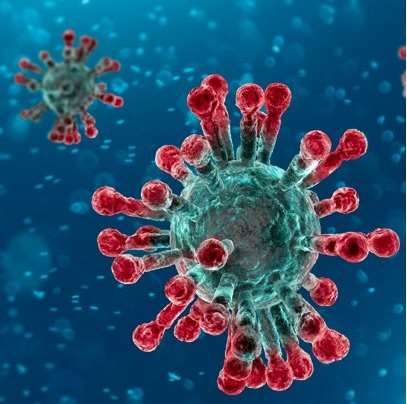
More worrisome, there’s evidence the disease can be transmitted by people with mild or no symptoms, which is prompting vigilance by hospitals and consumers to mount a defense to the new virus, dubbed COVID-19.
“We’re still trying to get a handle on how many people will get specialist at WVU Medicine in. “can we really contain it? I don’t know the answer to that, but I’m not in a panic.”
COVID-19, a respiratory virus that spreads through contact with tiny droplets from an infected person’s cough or sneeze, has sickened more than 85,000 people worldwide, including 65 people in the U.S. The virus strain was first identified in Chinese province of Hubei in December, where it’s believed to have mutated in birds before jumping to humans.
No one in Pennsylvania has been diagnosed with the new coronavirus, but a person from Washington State on Saturday became the disease’s first U.S. fatality.
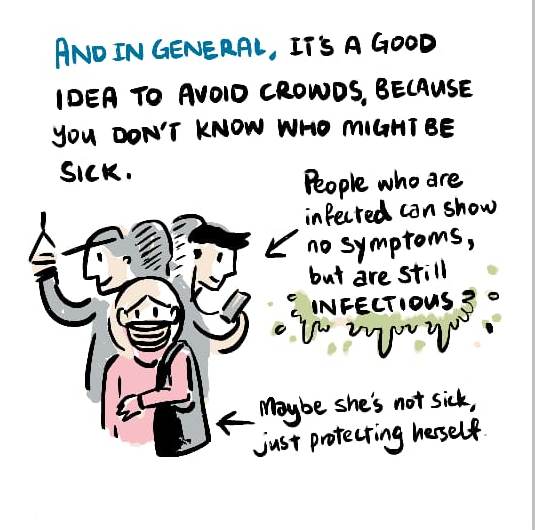
There are likely more cases than those that have been counted, said Thomas Campbell, chair, department of emergency medicine at Allegheny Health Network.
“We believe there are a lot of cases with very mild symptoms that they don’t even know about,” Dr. Campbell said. “The very young and the very old who are ill with other diseases are the ones we worry about the most.”
Infectious disease specialists say the front line in preventing the spread of any virus is simple: frequent hand washing, using hand sanitizer, cover your cough with your arm (“cough etiquette”), remaining at home from work or school in the event that you become ill. Sterilizing surfaces in the kitchen, restroom and different pieces of the house is another choice.
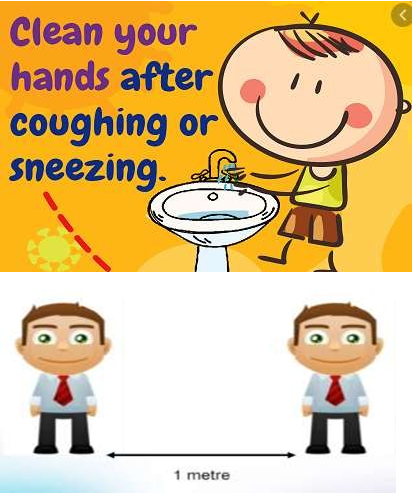
“Your best line of defense is soap and water,” said Kathleen Rosatti, a nurse and health division director of medical outcomes, patient safety and infection control at Greensburg-based Excel Health. “Any type of disinfectant, that’s the best practice for any kind of virus.”
Despite rising fears, a Saturday evening visit to two large department stores north of Pittsburgh showed there were still plenty of disinfectants available on store shelves, and shoppers weren’t seen buying any extra disinfectants in the stores that were visited.
Excel already assures seasonal flu protection for its staff by making immunization a condition of employment, a policy started last year.
The new coronavirus attacks the lungs, making the disease more dangerous than other coronavirus strains, Dr. Campbell said. But wearing a surgical mask for long periods is not recommended: moisture from breathing may actually attract viruses.
There’s also hope for a vaccine: in a perspective piece in the latest New England Journal of Medicine, Microsoft founder Bill Gates said the Coalition for Epidemic Preparedness Innovations was developing up to eight vaccine candidates, which could be ready for trials as early as June. In recent years, the Bill and Melinda Gates Foundation has helped fund preparedness measures for a virus pandemic.
AHN infectious disease specialist Nitin Bhanot urged consumers to use common sense in seeking protection from the new coronavirus.
“People can go so crazy, even when there’s no case of COVID-19 in the state,” Dr. Bhanot said. “General disinfection is important, but going way, way beyond that — I’m not sure it’s needed. People should not worry too much. Fear and anxiety sometimes travel faster than the disease.”
Corona Virus Alert
Basic protective measures against the Corona-Virus
Corona-virus precaution: 10 ways to make sure you do not catch the disease
- Maintain a strategic distance from close contact with individuals who are wiped out. Keep up in any event two – three feet separation among yourself and any individual who is hacking or sniffling.
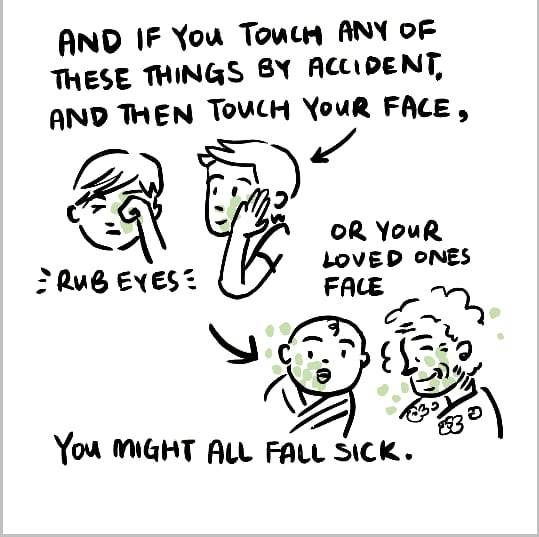
- Abstain from contacting your eyes, nose, and mouth.
- Stay home when you are sick.
- Spread your hack or sniffle with a tissue, at that point discard the tissue securely.
- Clean and disinfect frequently-touched objects and surfaces using a regular household cleaning spray or wipe.
- Wearing a mask is not necessary unless you are taking care of an infected person. The Centers for Disease Control (CDC) does recommend that only infected people wear masks to prevent the spread of the virus.
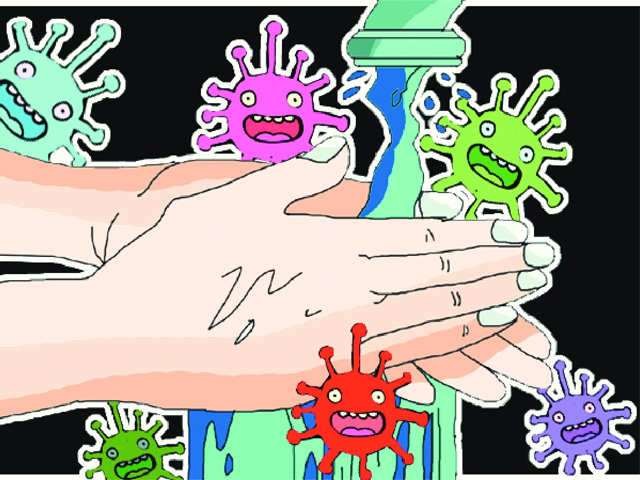
- Wash your hands often with soap and water for at least 20 seconds, especially after going to the bathroom, before eating, and after blowing your nose, coughing, or sneezing.
- If soap and water are not readily available, use an alcohol-based hand sanitize with at least 60% alcohol. Always wash hands with soap and water when hands are visibly dirty.
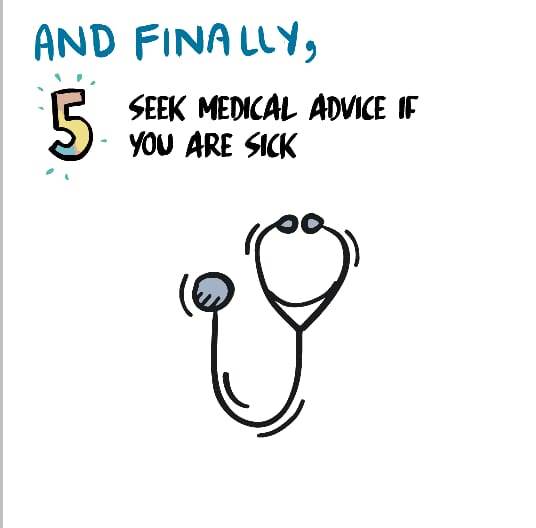
- If you have a fever, cough and difficulty breathing, seek medical attention immediately.
- Keep in mind the travel advisory set out by the Ministry of Health and Welfare.
 HELLO HEALTHY
Reply